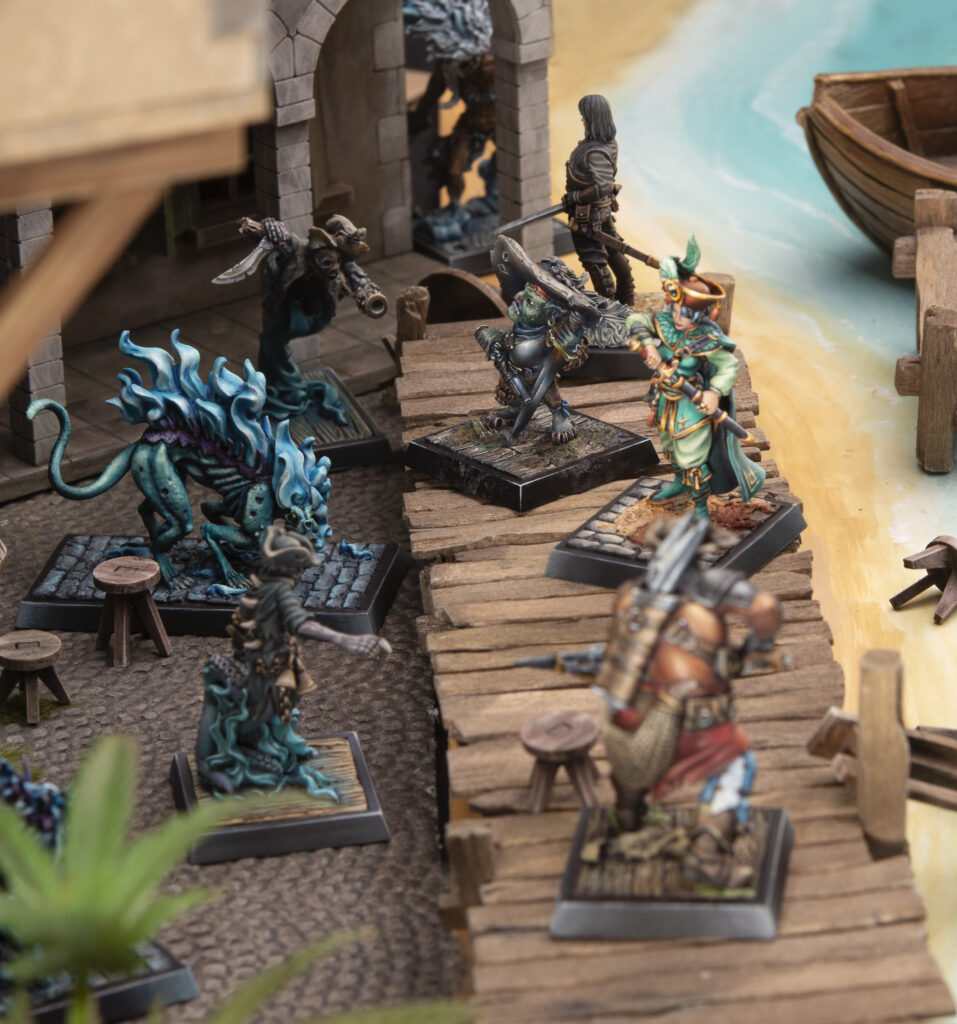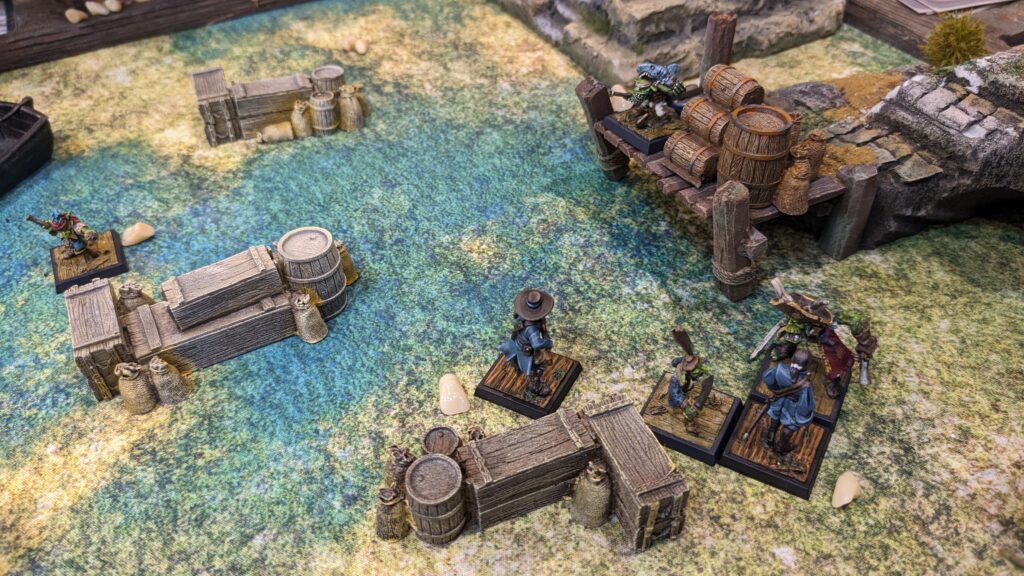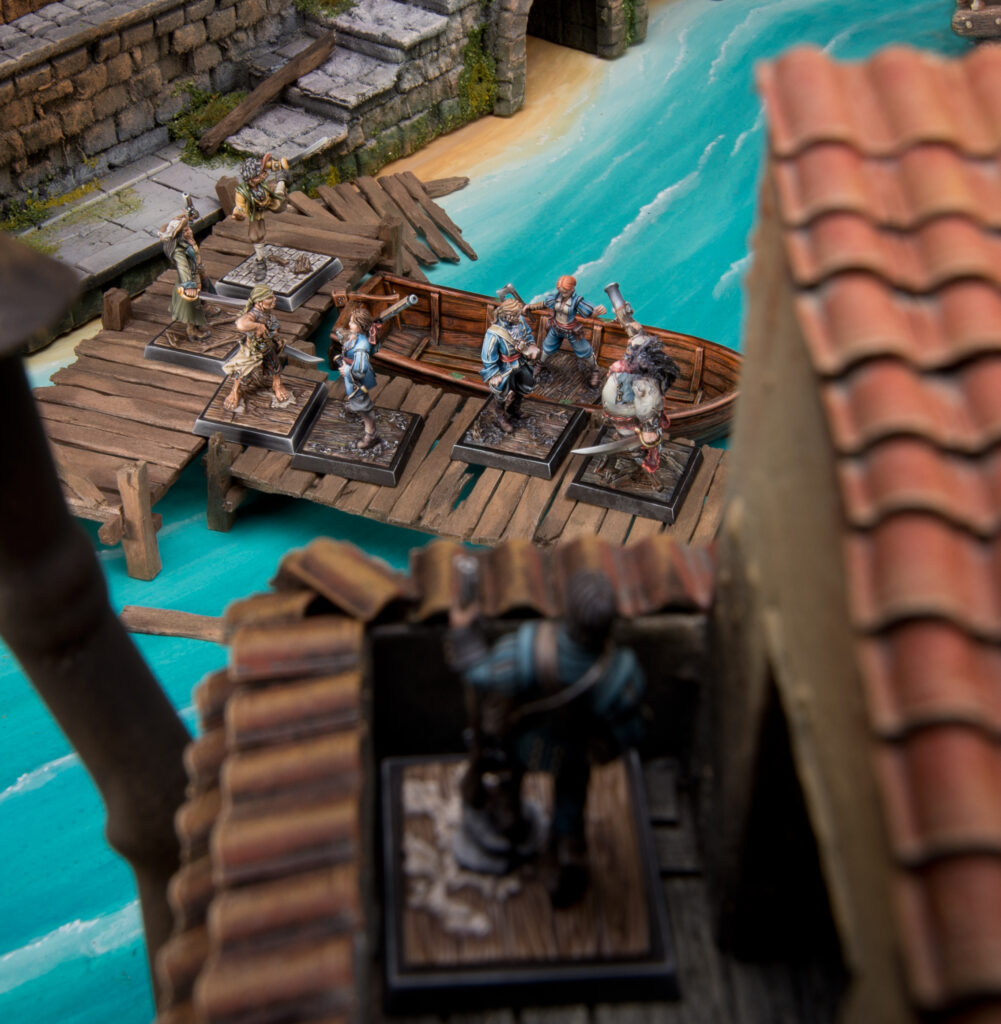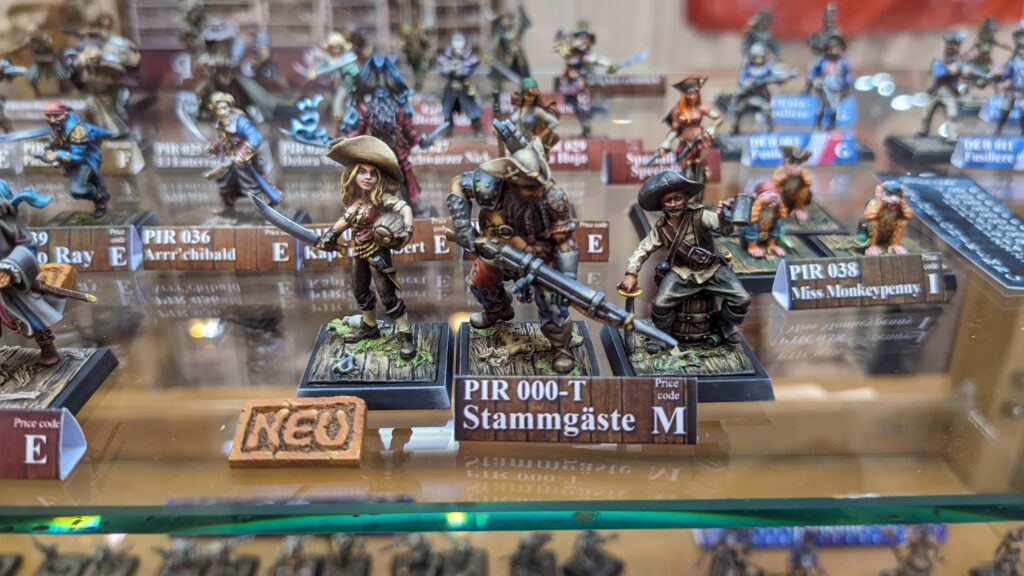
It was all so simple, right at the beginning on the island of Leonera. The sun shone down on turquoise-blue water with gentle crests of foam, on dazzling white sandy beaches, and on lush green jungle. Every now and then a volcano would erupt just a little, or a storm or two would sweep across the island, but on the whole, everything was peaceful. People sunbathed, splashed around in the water, ate, and were eaten—just as the food chain dictated.
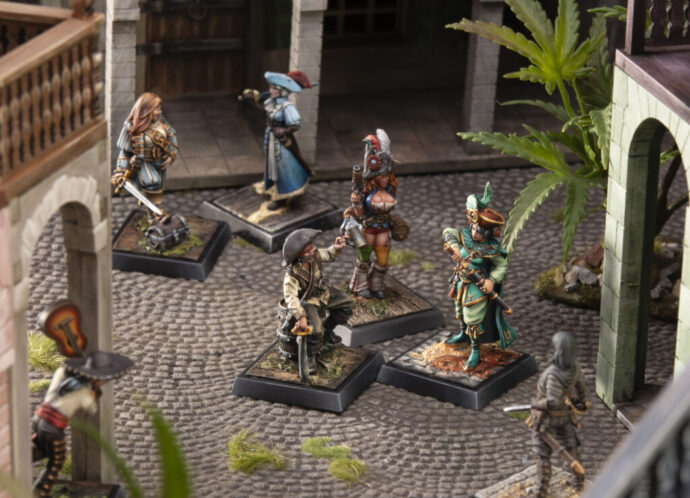
But then one day, big white things appeared on the horizon, along with big brown things, and the humans arrived. And instead of basking in the sun, splashing around, and eating a little, they made themselves at home—in a rather intrusive way—and cut down trees, multiplied like the dodo birds, ate just about everything, and built a city. More and more of them kept coming, and the neighborhood went to the dogs—because they brought them along, too. Just like the goblins.
Since those early days, Leonera has seen a lot. At first, trade flourished, as the island was an important stop on the Empire’s trade route between the colonies and the Old World. The city, affectionately named Puerto Alto, grew rich; a fort was built, balls were held, people dined out, they had a cottage in the countryside and one in the city, and anyone who considered themselves someone had a host of goblin slaves to maintain it all. Then the pirates came.
At first, there were only a few of them, and the Armada easily swept them away. But their numbers kept growing, and eventually they became a nuisance. Then some spoilsport discovered a faster route to the colonies, and Leonera became a provincial backwater. Trade dried up, the best troops withdrew, the pirates took root, and before anyone knew it, half the city was in their hands and was now called Longfall. On top of that, the goblins had risen up in a worldwide revolt and shaken off the yoke of slavery. Yes, they even set about claiming their own section of the city in Longfall.
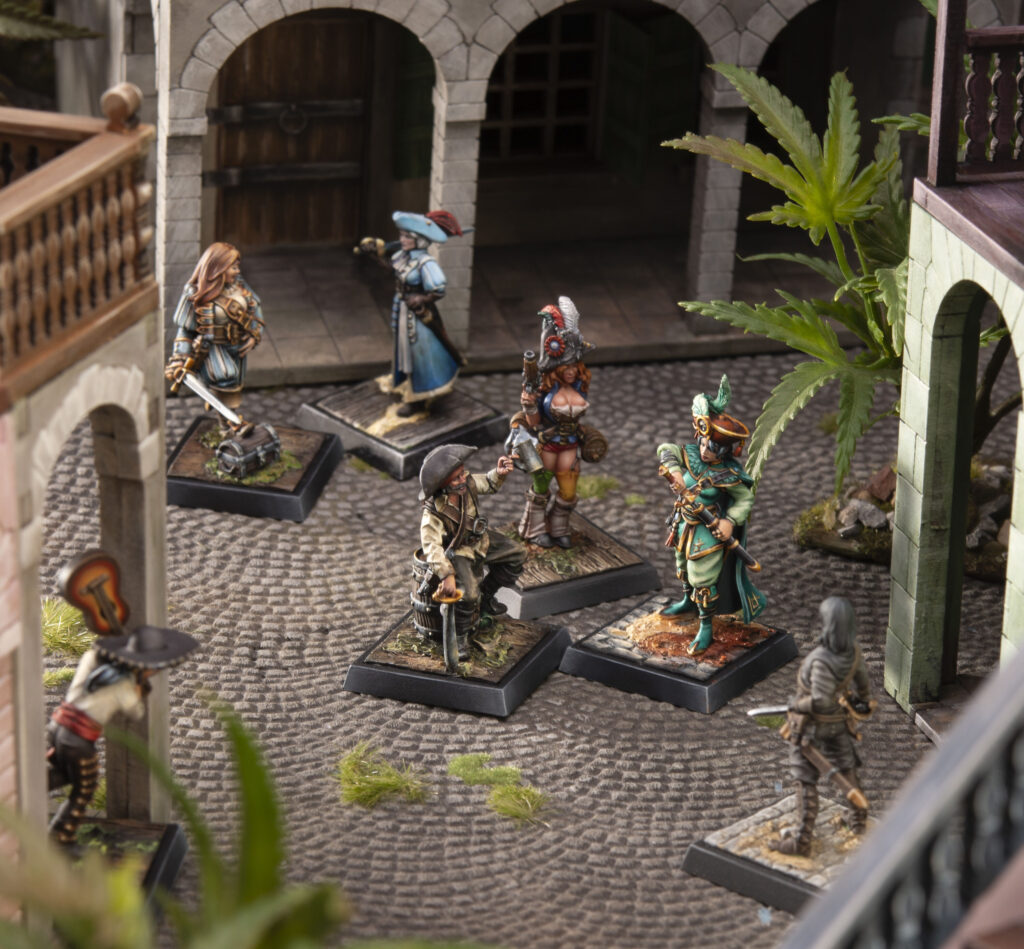
And while pirates, the Armada, and goblins were at each other’s throats, the island attracted more and more adventurers. Tough as nails men and women who put their sword-wielding arms and pistol-shooting hands to work for gold without asking too many questions. At some point, someone turned it into a company, but just because the place has teak tables inside and a brass plaque outside—and occasionally publishes financial statements of questionable accuracy—the same gold-hungry cutthroats are still running the show.
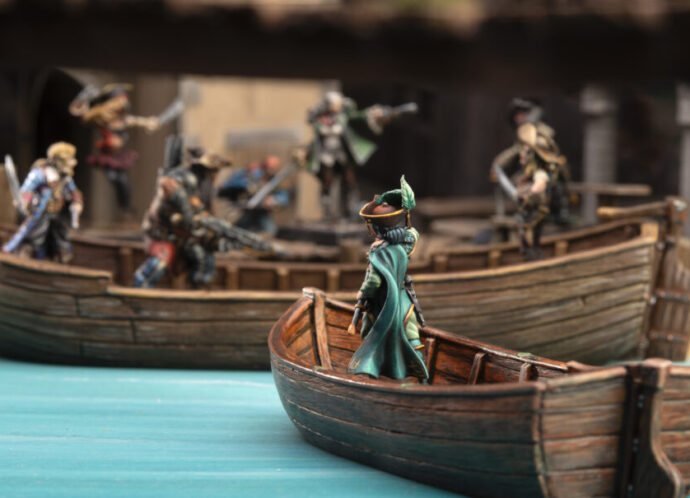
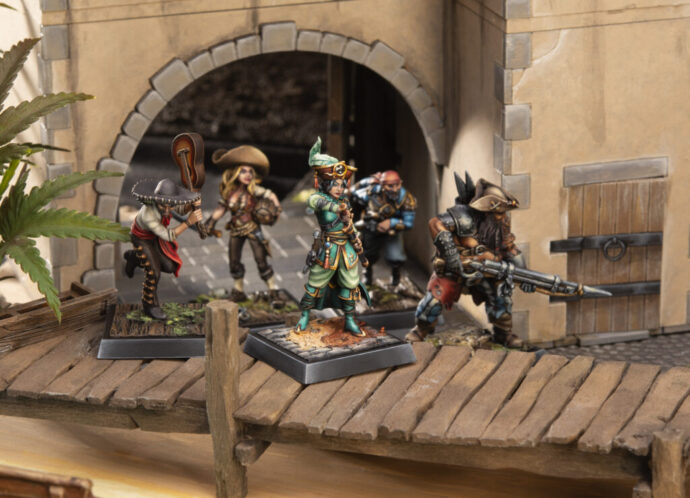
In times like these, as a concerned citizen, you find yourself crying out for people who will restore order, who will bring back the good old days—the now semi-mythical founder, or at least his descendants of the “right blood,” whom we thought were long lost. What people aren’t calling for—but what they got in this case, and, as it turned out, had all along—is a group of people who kill others for obscure but supposedly noble reasons. Masked men and women who roam dark alleys with gleaming poison daggers, seeking to restore the noble family tree through the systematic elimination of all unwelcome offshoots. And it’s astonishing just how far such offshoots have supposedly run rampant.
No sooner had people recovered from that than strange women suddenly appeared in the jungle. Scantily clad and heavily armed, they rambled on about some “Great Earth Mother” and claimed that certain ruins in the jungle actually belonged to them. No one knew where they had suddenly come from, but now it was no longer even possible to take a leisurely stroll through the forest without being disturbed. They are organized into tribes, each with its own totem that they revere. Men are frowned upon and unwelcome, unless they are needed for evening entertainment and/or to ensure the next generation. Then, man-hunting gangs of Amazons appear on the outskirts of the suburbs. The number of young men who “accidentally” get “lost” in the jungle has been steadily increasing ever since.
All this uncertainty and unrest naturally brings religious fanatics onto the scene at some point. Suddenly, having been suppressed for centuries by the secular empire, they spring up from every nook and cranny like mushrooms from a rotten roof beam. After centuries of heated debates and countless schisms over their name, they, too, simply call themselves “The Cult.” Interestingly, they are not a faith-based community, for the loas they invoke actually exist, and traditional rituals are now, in some cases, being reworked with almost scientific methodology. The boundaries to the spirit world are thin, and the beings from that parallel world are only too happy to be summoned over and to possess people, in order to revel in the sensation of being bathed in blood.
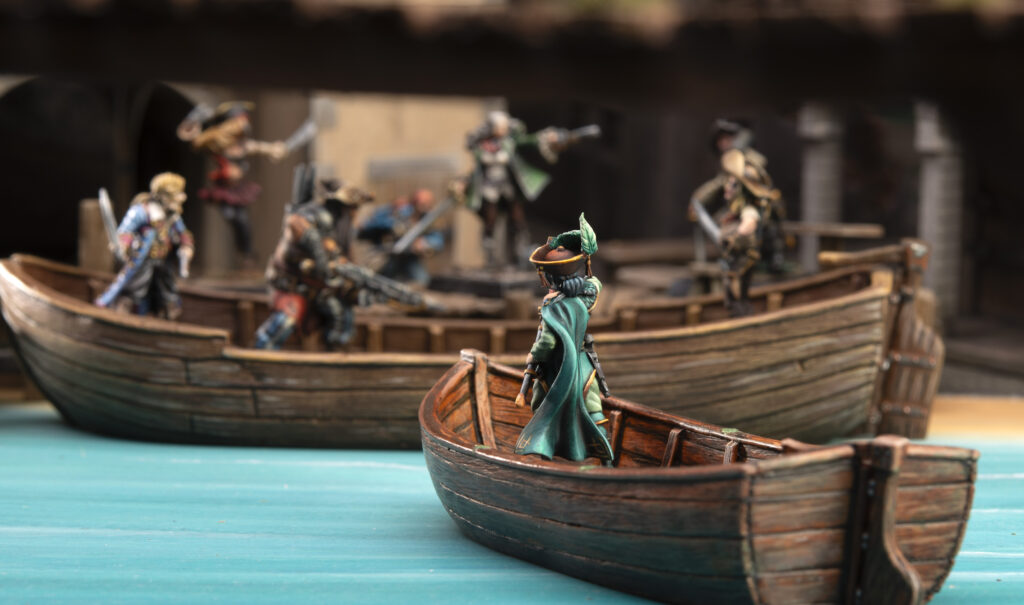
And right in the middle of it all, a volcano erupts, rendering the trails into the interior impassable—which comes at the absolute worst possible time, since someone has just discovered gold there on a massive scale. Suddenly, demand skyrockets for boats that can navigate the waterways to the gold deposits quickly and with plenty of firepower. Rowing boats, canoes, freshwater sharks, piranhas, and giant octopuses run rampant on Leonera’s rivers and lakes, ramming, boarding, and sinking one another with glee. Of course, the East Leonerian Trading Company—the main employer of all mercenaries on the island and owner of the largest warehouses with the shiniest brass signs in Longfall—profits from every splintering plank.
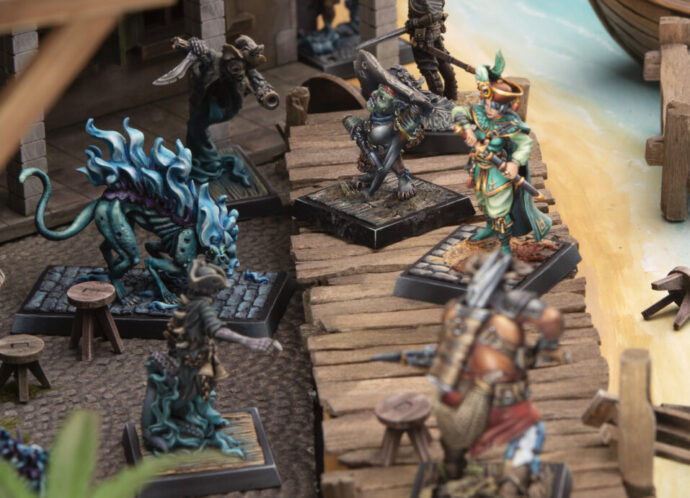
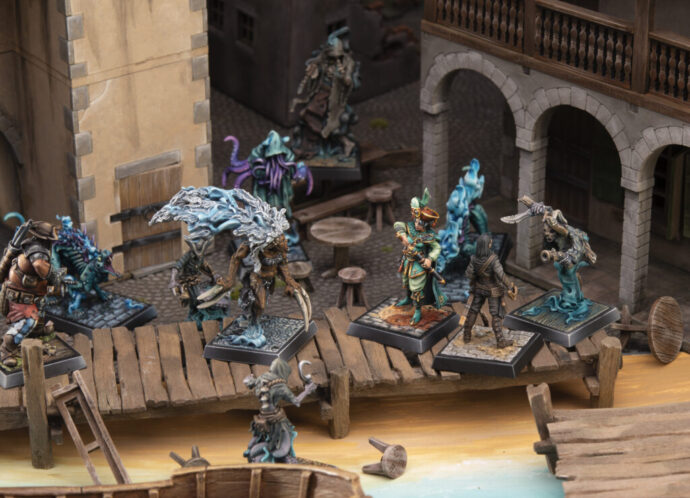
Amid this lively bustle, a group of escaped political prisoners bursts onto the scene—they successfully staged a mutiny on their prison island and fled from there. They hail from the troubled little country of Debonn, where demonstrations, political agitation, riots, unrest, and civil war are practically a daily occurrence. Led by the greatest military genius of modern times (his own claim) and the owner of the largest hat (his trademark), they settle in Longfall and spark a clash of cultures. Wine instead of rum, coffee instead of… even more rum, croissants instead of ship’s biscuits, a nasal accent instead of a rolling “arr”—conflict is inevitable.
Eventually, the Empire’s attention turns back to Leonera, and a fleet appears on the horizon, tasked with reclaiming the entire messed-up place—and, while they’re in the area, its rather extensive gold deposits—for the Empire. Ad majorem auri—ahem—imperii gloriam. But the pirates, goblins, Debonners, and cultists form an effective, if fragile, alliance. Cunning plans are hatched, traps are set, heroic deeds are performed—and in the end, Longfall is a city divided by a high wall, split from the harbor to the goblin quarter of Goblinopolis along the Grand Canal, and no one has really won. Except the OLHG, of course.
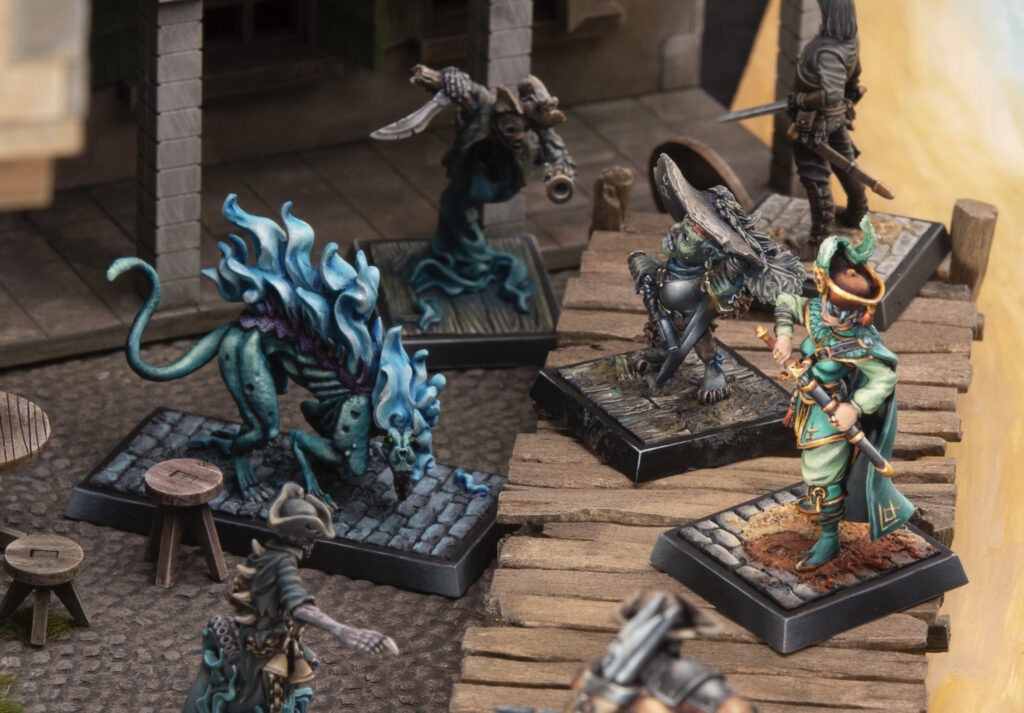
Things could have gone on like this for decades, with real-world imperialism on one side and degenerate piracy on the other. But one day—not that long ago—someone opened a door. Not in the wall, but in a secret place on the island. And of course, that was a bad thing—opening secret doors that had been sealed shut on Spalt since time immemorial can only go wrong; everyone knows that. But now it had happened, and evil—or at least darkness—that had been imprisoned for ages burst forth. Dark corners grew even darker, dangerous alleys even more dangerous. The shadows were set free, and they plotted their revenge. After all, it would have been boring if, for once, things had been quiet.
The Shadows nearly plunged all life on the island into darkness—if not wiped it out entirely. Unlike the villains in the ballads, the Shadows aren’t exactly in the habit of explaining their plans in detail to captured heroes. But just when the night seemed darkest, the humans and goblins managed to defeat the threat in a heroic battle. To this day, it remains unclear exactly how and to what extent the Longfallers achieved this, but in their opinion, it was enough to return to their daily lives.
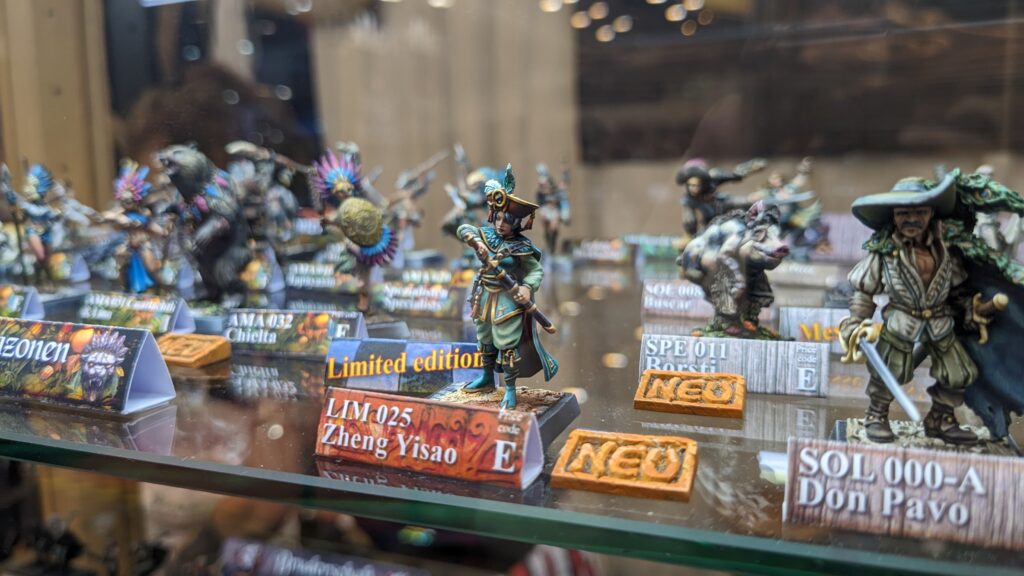
But then a few rather battered ships appear on the horizon, full of people who claim to have sensed the outbreak of the shadows on the other side of the world and are sailing here to restore the world’s balance. This raises some pressing questions for the crews of Longfall: Who are these people? What do they think they’re doing? Why do some of them have pointed ears? Where are they supposed to live? And what do they actually eat?